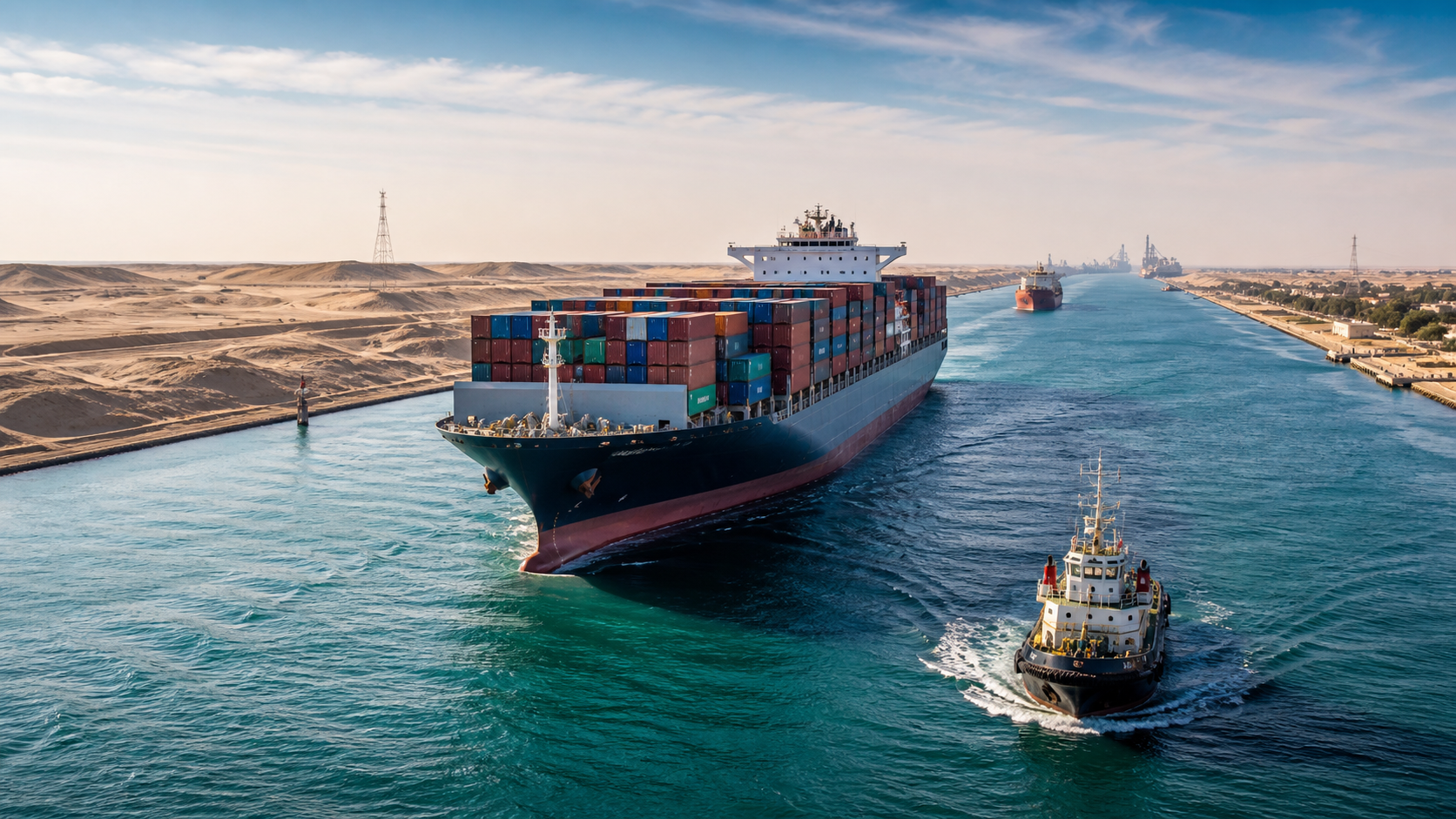
Air Freight vs Ocean Freight: When to Choose Each Mode
A practical guide to balancing speed and cost in your supply chain using air and ocean freight.
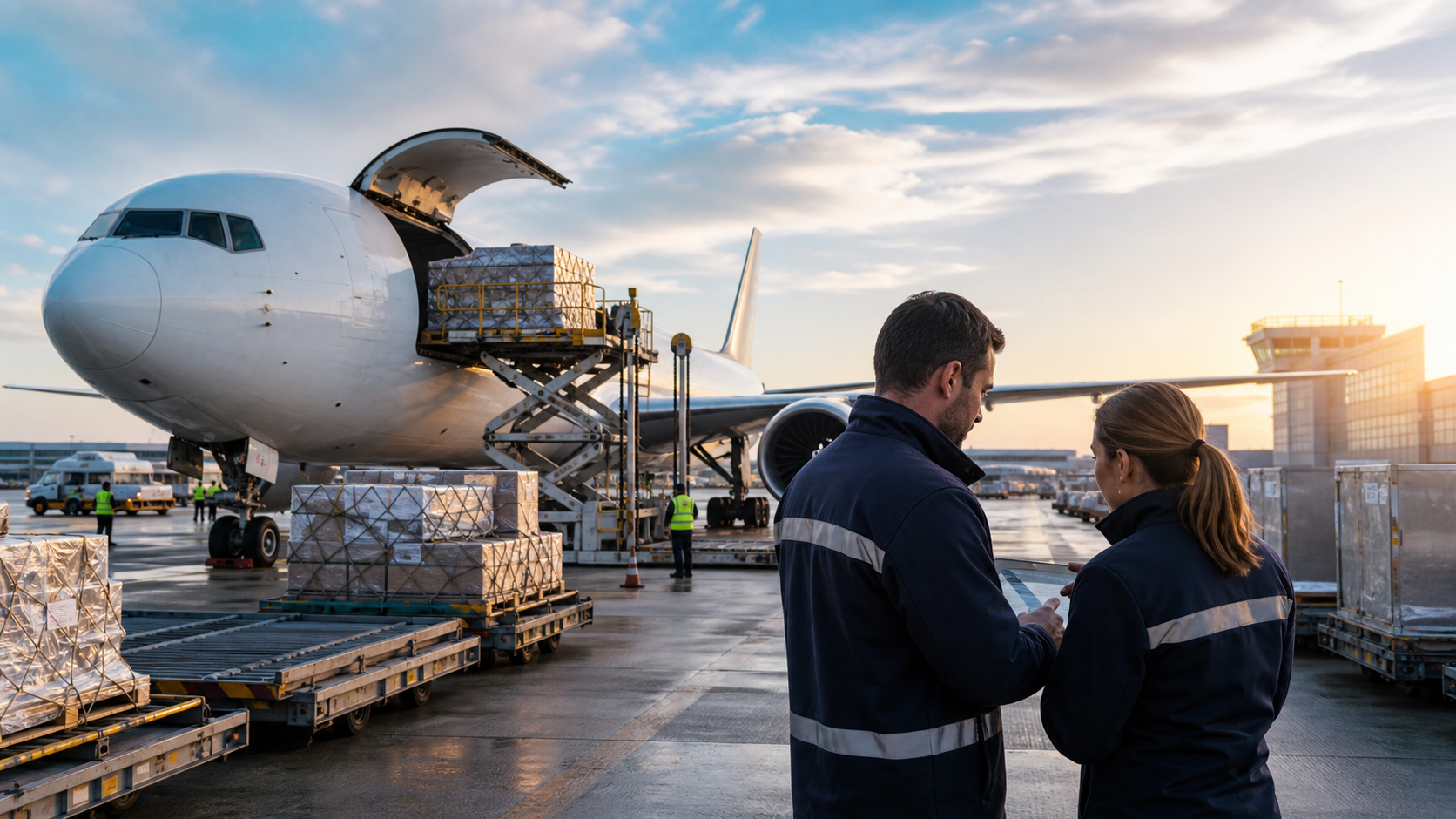
Quick Summary
Air freight is typically 4-5 times more expensive than ocean freight but reduces transit time from 30+ days to just 3-5 days. It is best suited for high-value, time-sensitive, or highly perishable goods.
Understanding the Update
Choosing between air and ocean freight often comes down to the "Rule of Weight and Time"... (Full content placeholder)
Key Takeaways
- Use air freight for goods with high value-to-weight ratios (e.g., electronics, pharmaceuticals).
- Use ocean freight for heavy, bulky, or low-margin goods.
- Hybrid approaches (Sea-Air) can offer a middle ground for cost and speed.
Practical Implications
High-margin products often justify air freight to prevent stockouts and lost sales.
Who is this for: Logistics planners deciding on transport modes for new product launches or inventory replenishment.
Problem Solved: Optimizing the trade-off between inventory holding costs (speed) and transportation costs.
Frequently Asked Questions
Is air freight always based on actual weight?
No, air freight is billed on 'chargeable weight', which is the higher of actual weight or volumetric weight.
Source: Tranzita internal cost analysis data.